

Periodontal Therapy – Denison, IA
Comfortable & Effective Gum Therapy

While the teeth get a lot of attention when it comes to oral health, your gums matter just as much! After all, they provide essential support for your smile, and without proper care, they can develop an infection that leads to everything from slight redness to significant tooth loss. So, if you or your child has a suspicion that something is wrong, be sure to give us a call today.
Why Choose 32 & You for Periodontal Therapy?
- Laser Gum Therapy: Fast & Painless
- Warm & Friendly Team That Feels Like Family
- Trusted by Denison Families for More than 20 Years
What is Gum Disease?
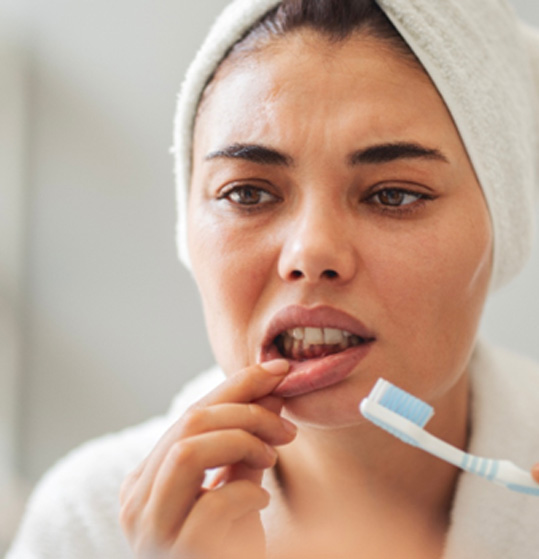
Gum disease, also referred to as “periodontal disease,” is an oral health problem that affects roughly 50% of adults. Although the symptoms are pretty mild in the early stages, several serious issues can arise if the infection is left alone to progress, including tooth loss. That’s why it’s so important to schedule a dental visit every six months (or sooner, if you suspect that something is wrong). That way, we can take care of the problem right away to ensure your smile stays safe, strong, and beautiful
Symptoms of Gum Disease
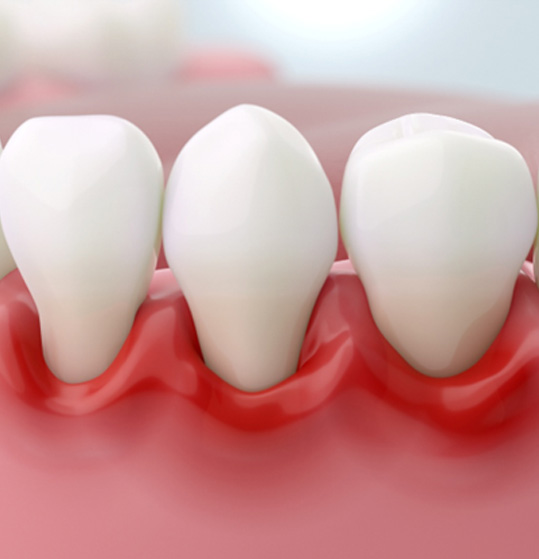
Between your biannual exams, we recommend keeping an eye out for the following:
- Persistent dental sensitivity
- Pink in the sink after brushing your teeth
- Red, inflamed, or swollen gums
- A change to your bite
- Teeth that appear longer than usual (gum recession)
If these or any other unusual symptoms arise, don’t wait – schedule an exam with us ASAP so we can determine if you’d benefit from periodontal therapy in Denison.
How Do We Treat Gum Disease?

At our Denison dental office, we are proud to offer several treatments, including scaling and root planing. Rest assured, we will discuss the pros of each as well as which one we recommend for you during your visit. In the meantime, you can read on to learn more about them!
Scaling & Root Planing
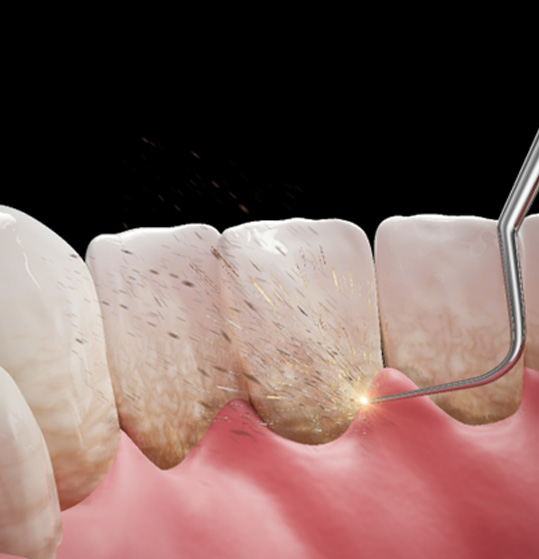
As you eat, dental plaque accumulates on your teeth, and if it isn’t removed by brushing and flossing, it can actually harden into a substance called tartar. This exposes the teeth and nearby gum tissue to bacteria, which can lead to the infection known as gum disease. Scaling is a special type of cleaning we can use to remove this tartar, and then root planing involves smoothing out the rough surfaces of the tooth roots. This enables the gums to heal quickly and firmly reattach to the teeth to prevent reinfection. To learn more about this procedure, continue reading below.
Do I Need Scaling & Root Planing?

At each of your routine checkups, Dr. Bygness will examine your mouth for signs of gum disease. As one of the most common dental health problems in the world, it’s something that our team keeps a close eye out for. Some symptoms that we typically see that can alert us to this infection include:
- Bleeding gums while brushing and flossing
- Small black triangles that develop between teeth due to gum recession
- Persistent bad breath
- A bad taste in your mouth
- Visible plaque and tartar buildup
- Shifting or loose teeth
- Discomfort while chewing
- Swollen gums
- Purple or bright red gums
Based on the severity of your symptoms, we can diagnose whether the infection is in its early or late stages, which will inform our treatment recommendations for you. In many cases, a deep cleaning is often the first step towards treatment.
The Scaling & Root Planing Process
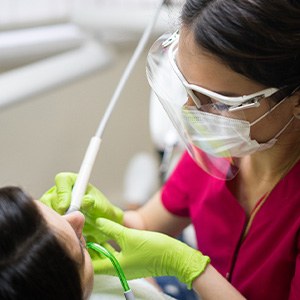
Scaling and root planing is a two-step process that usually involves two separate appointments. During the first visit, we will complete scaling, which is similar to a traditional dental cleaning, just using special instruments and more in-depth. One of our skilled dental hygienists will remove all the plaque and tartar accumulation from the surface of the teeth, as far down as the pockets of the gums. This will help dramatically minimize the presence of bacteria in the mouth.
At your second appointment, we will complete the root planing part of the deep cleaning. This is when we will focus on smoothing out the roots of the teeth by removing hardened deposits of bacteria. Ideally, this will help the healthy gum tissue reattach to the teeth to protect your roots and prevent tooth loss.
Aftercare Tips for Scaling & Root Planing

After your deep cleaning in Denison, your mouth will likely feel sore once the local anesthesia has worn off. Rinse your mouth with saltwater every few hours to help ease any discomfort and reduce swelling, and continue brushing your teeth as you normally would. Be careful and gentle while cleaning your teeth in sore areas and along the gumline. If you experience worsening pain or you have concerns, never hesitate to give us a call!
Antibiotic Treatment

When you have a bacterial infection in your nose or sinuses, your doctor sometimes gives you an antibiotic to kill the harmful bacteria, right? The same approach works for infections in your mouth! After your scaling and root planing treatment, we can prescribe you Doxicycline to take at home. Usually ingested as a pill or tablet, this helps eliminate any bacteria not removed during your initial cleaning. It’s also commonly prescribed as an anti-acne treatment, so clearer skin might be a pleasant side effect!