

Tooth Extractions – Denison, IA
Stress-Free, Pain-Free
Extractions

Removing a tooth is never our team’s first choice, but sometimes, it’s the only way to protect a patient’s oral health in the face of severe damage or infection. Should you or your child need a tooth extracted, we can promise complete comfort throughout the entire process. Dr. Bygness has painlessly removed countless teeth over the course of his career, thanks to his gentle touch and generous use of local anesthetic. With him, tooth extractions in Denison, IA are often over before a patient even notices!
Why Choose 32 & You for Tooth Extractions?
- Patient Comfort Always Comes First
- Same-Day Appointments Available
- Dentist with 20+ Years of Experience
Why a Tooth Extraction May Be Necessary

Dr. Bygness may recommend a tooth extraction if:
- A large cavity has damaged most of a tooth, and the decay is starting to spread to the nearby teeth.
- Severe trauma to the tooth has made it unable to support a filling or crown.
- Gum disease has thoroughly weakened the bone needed to support a tooth.
- More room is needed in the mouth to make room for orthodontic treatment.
- More room is needed so a new denture will fit better.
The Process of Removing a Tooth
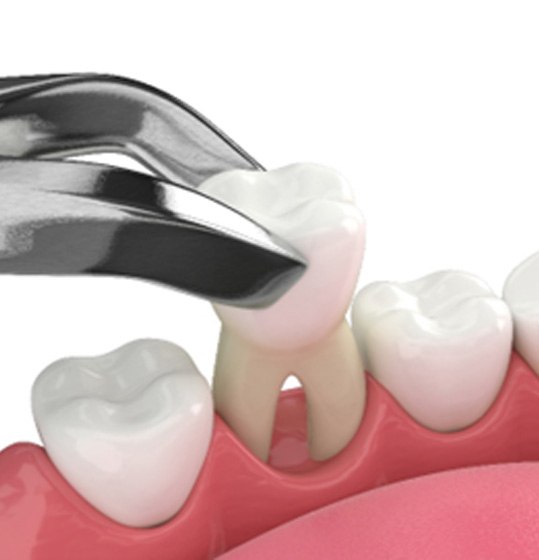
The first step is scheduling an appointment with our Denison dental team. After asking you a few questions about your symptoms, taking X-rays, and looking at your teeth and gums, Dr. Bygness will determine if the best choice for your oral health is to have one or more of your teeth extracted. If that’s the case, then we will solidify the details of your treatment plan, answer any questions you have, and schedule your treatment (if the damage is not so urgent that it requires same-day care).
Before we start the process of removing your tooth, we will thoroughly numb the area so you don’t feel anything more than some slight pressure from us working. If the tooth in question has broken through the gumline, then we will complete a “simple extraction.” This involves the use of special tools to gently rock the tooth loose before removing it entirely. The other option is a “surgical extraction,” which is common when the tooth is still underneath the gumline. In that case, we will need to create a small incision before gently removing the tooth.
Tooth Extraction Aftercare

Aftercare is crucial – we don’t want you to develop a dry socket! The best way to prevent that from happening and recover smoothly is by:
- Avoiding unhealthy dental habits, like smoking
- Sticking to soft foods, like yogurt and soup
- Not using a straw or spitting
- Taking OTC pain medication as instructed
- Getting plenty of rest
- Drinking lots of water
- Keeping the surgical site clean (we will provide you with detailed instructions on how to do this)
If you’d like to learn more about the tooth extraction process or you think you’d benefit from this treatment, don’t hesitate to schedule an appointment with our team. We’re here to answer any questions you have and help you achieve a healthier, happier smile!
Understanding the Cost of Tooth Extractions

While you might need a tooth pulled, you may hesitate due to the price. That’s a normal concern – treatment won’t help if you can’t afford it. Truthfully, though, the cost of tooth extractions varies by patient; you’ll need to consult Dr. Bygness for an exact estimate. Still, you can trust our office to make care more affordable. We’ll happily walk you through extraction cost factors and financing options. For further details, just keep reading or call us!
Factors That Can Affect Tooth Extraction Cost
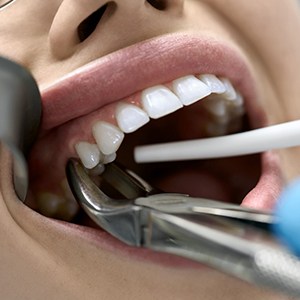
Remember, the first step of any dental treatment is a consultation. That means our office will assess the affected tooth (or teeth) before anything else. In doing so, we can review the factors impacting your final extraction price. These things typically include:
- Number of Teeth Pulled: Naturally, it’s more costly to extract multiple teeth than to pull a single tooth. The former option involves more work on the dentist’s part.
- Tooth Type & Location: Truthfully, some teeth are more expensive to pull than others. For instance, extracting a wisdom tooth can be pricey due to complex methods.
- Extraction Difficulty: A simple tooth extraction generally doesn't have an overly high cost. On the other hand, a surgical one requiring tissue removal is costlier.
- Tooth Replacement: If you follow up an extraction with tooth replacement, your treatment will cost more. Furthermore, the extra expense will depend on whether you get dentures, dental bridges, or dental implants.
Does Dental Insurance Cover Tooth Extractions?

Truthfully, dental insurance usually will cover a tooth extraction. The latter is a major dental procedure, so it’s typically done only when needed. As such, most plans will meet up to 50% of an extraction’s price. (Assuming you’ve met your deductible, of course.)
That said, there are occasional exceptions. Your own dental policy may cover a limited number of teeth. Alternatively, it might require a lengthy waiting period before coverage starts. Given these facts, you should confirm your benefits prior to treatment. Our office can help you do so if you’d like.
Other Options for Making Tooth Extractions Affordable

Thankfully, insurance isn’t the only way to make tooth extractions affordable. Many dental practices offer financing options for their patients. With the right one, your extraction’s price can become much more budget-friendly.
Consider our own office, for example. We happen to work with CareCredit – a reputable third-party financier. With their help, you could pay for treatment with monthly, low-interest installments. That means you could gradually cover an extraction’s price.
As you can see, our practice is eager and ready to make your tooth extraction affordable. So, don’t delay as you consider treatment – book a consultation with us today!
Tooth Extractions FAQs
Is there an alternative treatment to a tooth extraction?
You’re not alone if you’re feeling a little nervous about your upcoming appointment, and you might even question whether it’s truly necessary or if there’s another service that can help.
For instance, if this procedure was recommended to address severe dental pain, you might wonder whether a root canal is a feasible solution. But extractions are usually recommended as a last resort, so if Dr. Bygness has suggested this treatment, he has likely already determined that it’s the best way to help protect your remaining teeth and improve your dental condition.
Does it hurt to have a tooth removed?
Many patients worry that tooth extraction will hurt, but Dr. Bygness and our team will do everything we can to help you feel comfortable throughout the procedure. For example, we can numb your mouth with a local anesthetic before starting so the nerves in your teeth and jaw can’t send pain signals to your brain.
That means you likely won’t have to worry about discomfort until the medication wears off afterward. Then, it’s normal to feel sore and swollen for several days to about a week, depending on your circumstances. You can often manage this by applying a cold compress to the sore side of your face or taking the recommended dose of over-the-counter pain relievers, such as acetaminophen or ibuprofen.
Can I leave the space empty after my procedure?
Are you wondering if it’s necessary to replace your extracted tooth? If you’re hoping to avoid another procedure or save money, you might feel tempted to leave the space empty after your treatment.
However, there are risks associated with tooth loss that you might not have considered. For instance, your remaining teeth may shift out of alignment to fill the gap, which can increase the risk of cavities, enamel damage, misalignment, or a TMJ disorder. As a result, we usually recommend that patients replace their missing tooth sooner rather than later.
What are the options for replacing my recently removed tooth?
Dr. Bygness and the rest of our team offer two options for rebuilding smiles after tooth loss or extraction, outlined in more detail below:
- Dental bridges. These are custom-fitted oral devices that contain the necessary number of replacement teeth between a dental crown on each end. They’re customized to match your natural enamel, then cemented over healthy abutment teeth or dental implants placed on both sides of the gap to close it. This can effectively rebuild 1 to 4 missing teeth in a row.
- Dental implants. This is the only option that involves surgically placing a biocompatible support rod directly into your jaw. It eventually fuses with the bone to function like a tooth root and can support a lifelike restoration, such as a dental crown or bridge, depending on how many teeth were lost or required removal.